
Shoppers still love the bright taste of juice, yet many now read nutrition panels closely before they buy. Sugar-reduction flavor technology helps you lower sugar and calories while keeping the fruity, satisfying profile people expect. The challenge is that sugar does far more than sweeten, so removing it reshapes the whole drink.
Juice-style beverages now span sparkling refreshers, diluted juice drinks, and blends that mix fruit with vegetables or botanicals. Each format can deliver bold fruit taste with less sugar when you choose profiles built for lighter formulas. Next, you will learn what sugar contributes, which tools replace it, and how to scale a finished juice.
What Sugar Really Does in a Glass of Juice
Sugar delivers sweetness, but it also adds body, carries aroma, and balances the natural acids found in fruit. Juice makers often describe that balance as the sugar-to-acid ratio, which shapes whether a drink tastes ripe or sharp. When you pull sugar out, citric and malic acids suddenly dominate, and the juice can taste thin and sour.
Sweetness and aroma also work together in your brain, so less sugar can make fruit notes seem weaker. For example, a strawberry juice with half the sugar can taste less like strawberry, even with identical flavor levels. Sugar also raises viscosity, which gives juice the rounded, mouth-coating texture people associate with a quality drink.
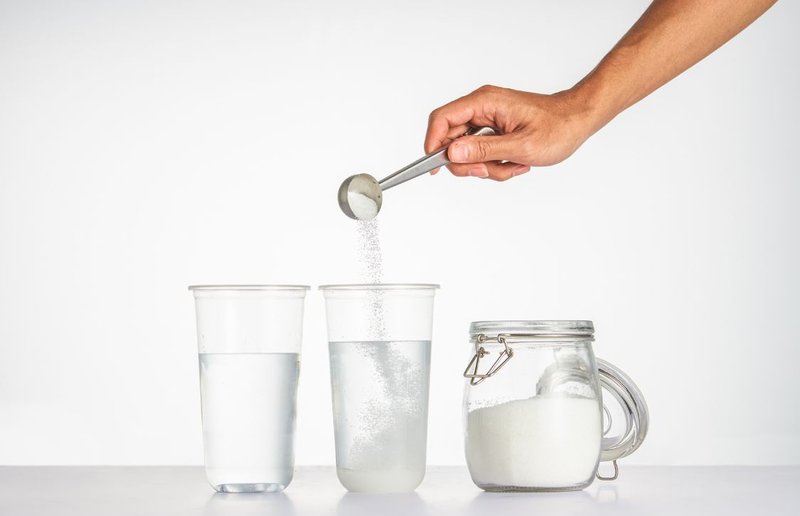
Sugar-reduction flavor technology has to address every one of these roles, not just the sweetness gap. Otherwise, you end up with a drink that reads sweet on paper but tastes hollow in the glass. Natural flavor quality matters even more at lower sugar levels, since there is less sweetness to hide flaws. Our article on premium natural flavor integrity explains how sourcing and extraction protect authentic fruit character. Once you know what sugar was doing, you can choose replacement tools with a clear purpose for each one.
Sugar-Reduction Flavor Technology Tools for Juice Makers
Most low-calorie juices rely on a blend of tools rather than a single sweetener doing all the work. Each ingredient solves one problem well, and sugar-reduction flavor technology ties them into one balanced system. Here are the main building blocks you will work with as you develop a lighter juice.
- Stevia and monk fruit: Steviol glycosides and mogrosides deliver intense sweetness, though both can leave bitter or lingering notes.
- Rare sugars and polyols: Allulose and erythritol add bulk and clean sweetness, which helps replace some lost body.
- Sweetness modulators: You can use these flavors to heighten perceived sweetness, letting you lower total sweetener loads.
Masking flavors then target the metallic or licorice-like aftertaste that high-intensity sweeteners sometimes create. Newer steviol glycosides such as rebaudioside M taste cleaner than rebaudioside A, yet they still benefit from support. Mouthfeel builders, such as soluble fibers or specialty flavor systems, restore some of the viscosity sugar once supplied.
Aroma choice matters too, because compounds like furaneol and maltol carry sweet, caramelized associations that boost perceived sweetness. You can read more about receptor-level approaches in our guide to flavor modulation technology.
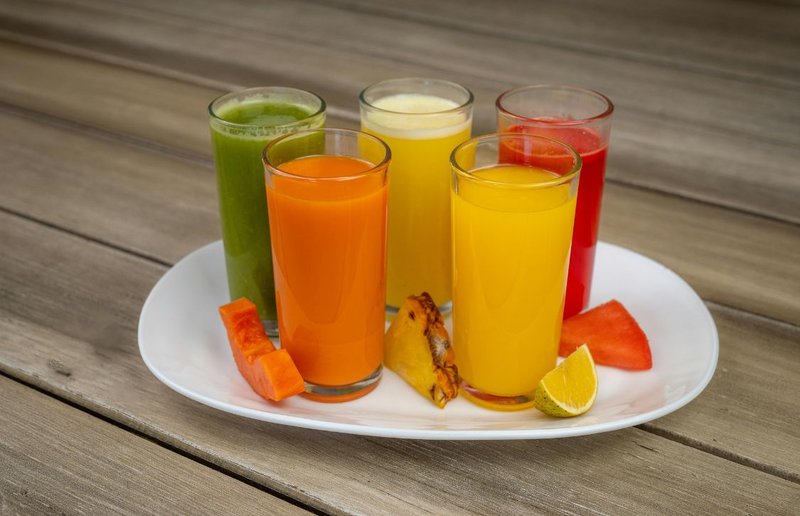
The right mix depends on your fruit, acid level, and label goals, so no single formula fits every juice. Tart fruits like cranberry need different support than the naturally sweet refresher fruit flavors like mango or white grape. Our chemists run side-by-side trials so you can taste how each tool changes the profile before you commit.
Scaling a Shelf-Stable Low-Calorie Juice for Launch
Your bench sample is only the start, since the juice must survive pasteurization, filling, and months of storage. Heat can dull fresh top notes, while low pH and light exposure slowly break down delicate citrus aromas. Flavor fade also changes how sweet a drink seems, so your balance on day one may drift by month three.
Our guide to shelf-stable beverage challenges covers these stability risks and the tests that catch them early. We pair sensory and analytical testing with accelerated shelf-life studies, so you see problems before your customers do.
Sugar-reduction flavor technology also works best when your flavor partner understands manufacturing, not just the lab bench. Our manufacturing expertise helps you plan dosing, mixing order, and batch sizes that translate cleanly to your co-packer. Low minimum order quantity (MOQ) customizations let you run pilot batches without tying up cash in excess inventory.
Speed matters as well, since low-sugar trends move quickly and retailers often favor brands that arrive early. Where other flavor houses can take months to deliver new samples, Beck Flavors works on a timeline of weeks. To keep up with sweetener science and fruit trends, subscribe to our Flavor Focus newsletter for fresh insights.
Partner With Beck Flavors on Sugar-Reduction Flavor Technology
Cutting sugar from juice is a flavor challenge, a texture challenge, and a stability challenge all at once. When you understand the sugar-to-acid ratio, sweetener aftertaste, and aroma fade, you can set sharper development goals. Our flavor chemists bring trend insight and hands-on formulation skill to help your lighter juice taste vibrant and fruity.
We can also support your launch with design and branding guidance, plus supply chain assistance as volumes grow. Share your fruit base, sweetener preferences, and calorie target when you schedule a consultation with our team. Contact Beck Flavors today to create a low-calorie juice that delivers full flavor without the added sugar.