
Shoppers grab ready-to-drink (RTD) products for convenience, yet RTD beverage development demands serious flavor science behind every can. You have to balance taste, stability, and label claims while your formula sits on a warm shelf for months. Heat processing, packaging materials, and active ingredients all push against the flavor profile you worked so hard to build.
Most failures trace back to a handful of predictable stressors, including oxygen, light, acidity, and your functional actives. Stability basics apply to every shelf-stable drink, yet your RTD line faces hurdles that deserve closer attention. You will see how flavor chemists solve each one without sacrificing the taste that earns repeat purchases.
What Makes RTD Beverage Development So Challenging?
RTD beverage development is challenging because flavor must survive processing, packaging, and months of storage while still tasting freshly made. Volatile aroma compounds oxidize, react with acids, or migrate into can liners and bottle walls over time. Functional actives, alcohol, and sugar reduction add bitterness or thin body, so your flavor must mask and rebuild together.
How Processing and Packaging Reshape RTD Beverage Development
Your flavor meets its first big test on the processing line, long before any shopper cracks open a can. Hot fill, tunnel pasteurization, and retort each apply heat that can drive off light top notes like citrus aldehydes. Meanwhile, heat accelerates Maillard browning in dairy and coffee RTDs, which shifts the profile toward cooked or caramelized notes.
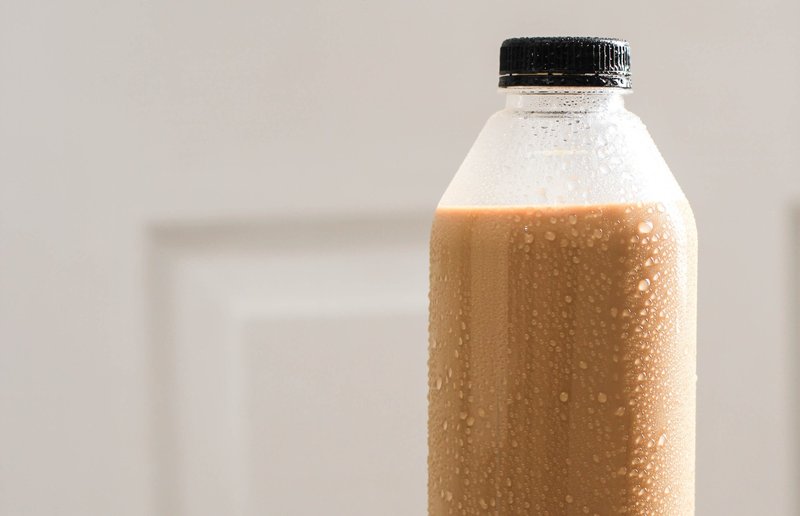
Packaging brings its own surprises, since polymer can liners and plastic bottles absorb hydrophobic aroma molecules through scalping. In practice, smart RTD beverage development means testing flavor in the final package, not just in a glass beaker.
- Heat-tolerant top notes: You can build citrus and fruit accents from compounds that hold up through pasteurization temperatures.
- Scalping allowance: You can boost the notes that liners absorb first, guided by shelf-life data from your finished package.
- Light protection: You can choose cans or amber glass, then reserve light-stable flavor builds for clear bottles on bright shelves.
When we develop flavors at Beck Flavors, we run samples through your actual process conditions whenever you can share them. Our manufacturing expertise helps you choose concentrate containers and formats that protect the flavor before it reaches your co-packer. You can find more packaging and processing insights in our Flavor Focus newsletter whenever your team plans a new format.
Once you lock the flavor, accelerated shelf-life testing shows how each note behaves across the months ahead. You then adjust dosing with real data rather than guessing at what the can will do.
Masking Functional Actives Without Losing Drinkability
Functional RTDs now carry caffeine, protein, vitamins, electrolytes, and botanical extracts, and each one brings a taste of its own. Caffeine and many plant compounds activate bitter taste receptors, while B vitamins and minerals leave sulfurous or metallic off-notes. Your flavor system has to cover those notes first, then deliver a profile people want to finish.
We use masking agents and flavor modulators that quiet bitter perception instead of burying it under sugar. Our breakdown of functional beverage taste challenges walks through how those tools behave with specific actives.
Sugar reduction adds a second puzzle, because sugar builds body and softens acidity as well as delivering sweetness. When you swap in stevia or monk fruit, you often notice a thinner mouthfeel and a lingering, licorice-like aftertaste. Sweetness enhancers and mouthfeel flavors can restore that fullness, so the drink tastes indulgent even at a lower calorie count.
Timing matters here, since every active you add later in RTD beverage development can undo a flavor you already approved. Instead, you get the best results when you share the full active stack with your flavor partner from day one. Our quick sample turnaround then lets you taste several masking approaches side by side in just weeks.
Taming Alcohol Heat and Regulatory Hurdles in RTD Cocktails
Spirit-based and malt-based RTD cocktails raise the stakes, since ethanol brings heat, bitterness, and a solvent edge. Neutral malt bases also carry grainy cereal notes that clash with delicate fruit and floral profiles. Our guide to alcohol masking in RTDs explains how targeted flavors soften that burn while keeping the drink lively.
- Ethanol rounding: You can use vanilla, oak, or sweet brown notes to smooth harsh alcohol heat on the finish.
- Base cleanup: You can mask cereal off-notes in malt bases with bright citrus peel and fresh fruit esters.
- Carbonation tuning: You can tune dosing, since carbonic acid sharpens sourness and rising bubbles lift aroma toward the nose.
- Compliance planning: You can select flavors that already carry Alcohol and Tobacco Tax and Trade Bureau (TTB) approval.
Every lever interacts with the others, so a change in sweetness shifts how much heat drinkers notice. You get cleaner results when you tune the whole system together instead of chasing single notes.
Pre-approved flavors matter because formula approval delays can quietly push back the launch window you planned. You can learn how TTB-approved flavors speed launches and plan your regulatory path alongside your flavor brief. For hard seltzers and canned cocktails alike, strong RTD beverage development treats compliance as a flavor decision, not paperwork.
Beyond the liquid, our design and branding support helps you tell the flavor story on the can. Plus, low minimum order quantity (MOQ) customizations let you test a limited run before committing to a national rollout.
Partner With Beck Flavors for Confident RTD Beverage Development
Great RTDs come from planning for heat, packaging, actives, and alcohol before the first bench sample ever ships. When you treat each stressor as part of the flavor brief, you avoid costly reformulation late in development. Ultimately, your drink tastes as good on day ninety as it did the morning you approved it.
Where other flavor houses can take months to deliver new samples, Beck Flavors works on a timeline of weeks. Share your brief with our flavor team, and we will support you with supply chain assistance from lab to line. Reach out to our RTD specialists today and take your next beverage from bold concept to confident launch.