
Plant-based shakes promise clean nutrition, yet many formulas still taste beany, earthy, or oddly bitter after the first sip. Protein shake flavor masking gives you a way to keep the protein load high while the taste stays inviting. You want a shake that people finish and reorder, not one they tolerate for the macros alone.
Pea, soy, and rice proteins each bring their own off-notes, so a single vanilla top note rarely solves everything. Texture and mouthfeel matter too, yet taste chemistry decides whether your shake earns a second purchase. You will learn where off-notes come from, how masking differs from modulation, and how to build a stable formula.
Where Beany, Earthy, and Bitter Off-Notes Come From
Most beany and grassy aromas in pea and soy protein trace back to lipid oxidation during milling, hydration, and processing. Enzymes called lipoxygenases break down linoleic acid into volatile aldehydes, with hexanal delivering the familiar green, cut-grass note. Other compounds, such as 2-pentylfuran and methoxypyrazines, then add the beany, earthy, pea-pod character you notice right away.
Taste problems run deeper than aroma, since saponins and phenolic compounds in pea protein add bitterness and a drying finish. Each protein source behaves differently, which is why protein shake flavor masking starts with a clear read on your base.
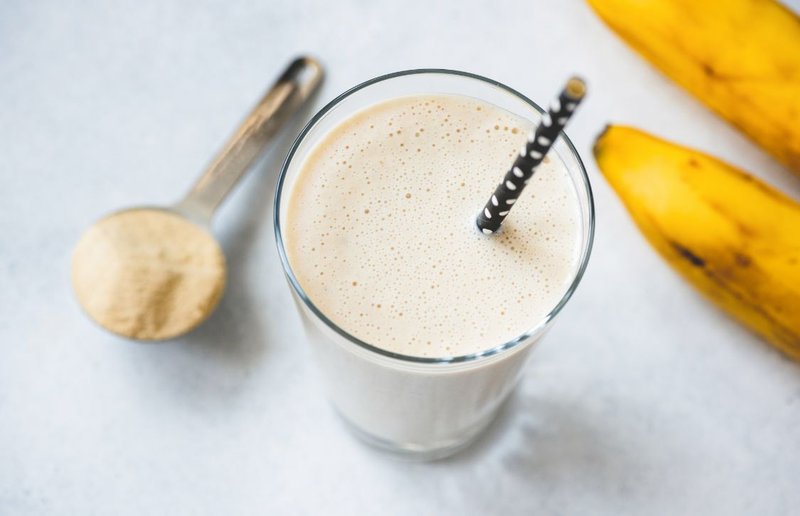
- Pea protein: You often face strong green, beany notes plus bitterness from saponins that linger after swallowing.
- Soy protein: You may notice a cardboard or mushroom edge, since hexanal and 1-octen-3-ol form quickly during processing.
- Rice protein: You usually get milder aroma but more earthy, grainy flavor and a gritty feel that amplifies perceived dryness.
Plant proteins also bind flavor molecules through hydrophobic interactions, which pulls your added aroma out of the headspace. As a result, a flavor that shines in water can taste flat once you blend it into a high-protein base. You can explore related tools in our overview of clean-label bitterness maskers, which pairs well with this chemistry.
Processing choices matter too, since wet fractionation, heat, and deflavoring steps change how much of each compound survives. You can request sensory notes from your ingredient supplier, since lot-to-lot variation can shift how much masking you need.
Protein Shake Flavor Masking Versus Taste Modulation
Masking and modulation often get treated as the same thing, yet they work through different mechanisms in your shake. Traditional protein shake flavor masking relies on strong aromatic profiles, such as cocoa, coffee, or caramel, to cover off-notes. Modulation instead changes how your taste receptors respond, so bitterness reads lower and sweetness or body reads higher.
Bitter blockers can dampen signaling at bitter taste receptors, so the brain registers less harshness from saponins and peptides. Sweetness enhancers, meanwhile, let you trim added sugar while keeping the rounded profile shoppers expect from a dessert-style shake. Mouthfeel modifiers also soften astringency, which comes from compounds that bind salivary proteins and leave your tongue feeling dry.
When you rely on masking alone, you often need high flavor loads that can taste artificial or cloying. Heavy dosing also raises cost, and it rarely fixes the texture issues covered in our guide to chalky protein drinks.
The strongest results come from layering both approaches, so each tool handles the problem it solves best. For instance, a modulator can quiet bitterness while a lighter vanilla bean profile rounds out the remaining earthy notes. Our chemists build these layered systems around your protein, sweetener, and shake formulation goals rather than a generic template.
Building a Stable Plant-Based Shake From Bench to Shelf
A flavor system that tastes great on day one still has to survive heat treatment, storage, and shipping. Ultra-high temperature (UHT) processing can create cooked notes, while lipid oxidation keeps producing new aldehydes over shelf life. Protein shake flavor masking therefore needs testing in your finished matrix, not just in a beaker of water.
We start with sensory and analytical testing so every adjustment ties back to data you can trust. From there, our development process moves through a few focused stages that keep your timeline realistic.
- Base profiling: We map the specific off-notes in your protein lot before choosing any masking or modulating ingredients.
- Rapid sampling: Where other flavor houses can take months to deliver new samples, we work on a timeline of weeks.
- Stability checks: We run your prototype through accelerated storage so you see how flavor holds up before launch.
Once the formula is locked, low minimum order quantity (MOQ) customizations let emerging brands order pilot volumes without overcommitting. We also supply concentrates in containers sized for your plant, which simplifies receiving and batching on your production floor.
Plant-based dairy alternatives share many of these hurdles, and our piece on dairy-free mouthfeel solutions offers useful parallels. For ongoing insights on proteins, sweeteners, and emerging profiles, subscribe to our Flavor Focus newsletter. Each stage keeps you close to the process, so you know why the final formula tastes the way it does.
Partner With Beck Flavors on Protein Shake Flavor Masking
Great plant-based shakes win on taste first, because shoppers rarely give a chalky or bitter product a second chance. When you understand hexanal, saponins, and protein binding, you can brief your flavor partner with far more clarity. Our team brings flavor chemistry, trend insight, and quick sample turnaround to every protein project we take on.
We also support your launch with design and branding help, so your packaging tells the same story as the formula. Share your protein source, target profile, and sweetener goals when you connect with our team for a consultation. Contact us today, and our chemists will help your plant-based shake taste as good as it performs.