
Sober-curious drinkers want the ritual of a great cocktail without the alcohol, and they refuse to settle for sweet juice. Smart non-alcoholic spirits flavoring gives them complexity, warmth, and a lingering finish that feels worth sipping slowly. You face a tough brief, though, because ethanol does far more work in a spirit than most people realize.
Alcohol carries aroma, builds body, adds warmth, and balances sweetness, so removing it leaves several gaps at once. Gen Z mocktail fans keep raising the taste expectations you need to meet in this fast-moving category. Here, you will learn how flavor chemists rebuild each missing element so your zero-proof spirit tastes intentional.
What Is Non-Alcoholic Spirits Flavoring?
Non-alcoholic spirits flavoring is the design of flavor systems that recreate the aroma, burn, and body of spirits without ethanol. Flavor chemists combine botanical extracts, warming compounds, bitter notes, and mouthfeel agents to mimic gin, whiskey, tequila, or rum. The goal is a zero-proof drink that sips, mixes, and finishes like the classic spirit your customers already love.
Recreating the Warmth and Body That Ethanol Provides
Ethanol activates the transient receptor potential vanilloid 1 (TRPV1) receptor, which also senses heat from chili peppers. Without that trigger, a zero-proof spirit tastes flat, even when the aroma closely matches the original bottle. Capsaicin, gingerol from ginger, and piperine from black pepper can restore that warmth when you dose them with care.
Timing matters as much as intensity, since real spirits build heat gradually across the palate rather than all at once. Our guide to authentic burn flavor profiles explains how layered warming agents create that slow, satisfying build.
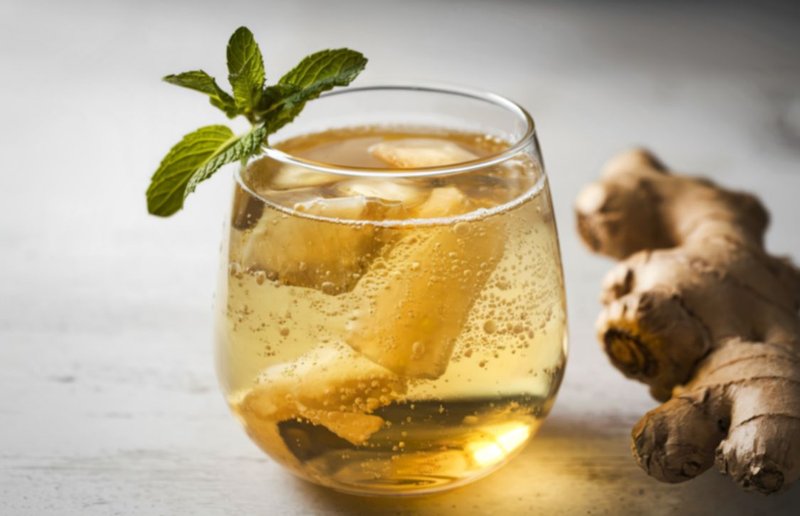
Body presents a separate challenge, because ethanol adds viscosity and a slippery weight that water alone cannot deliver. Glycerin, gums, and mouthfeel flavors can rebuild that texture, so your drink coats the tongue instead of rushing past it. Meanwhile, a touch of sweetness helps round the edges, yet too much turns a sophisticated spirit into a soft drink.
Ethanol also lifts volatile aroma compounds from the glass, so alcohol-free versions often smell weaker at first pour. Strong non-alcoholic spirits flavoring compensates with higher-impact top notes that open up the nose without tasting perfumey. When warmth, body, and aroma work together, your guests stop noticing what is missing and start enjoying what is there.
Building Botanical Depth Into Non-Alcoholic Spirits Flavoring
Every spirit rests on a signature botanical note, and Gen Z mocktail trends push you to capture it. Gin leans on juniper, coriander, and citrus peel, while whiskey draws character from oak lactones, vanillin, and toasted wood. Agave spirits bring cooked, earthy sweetness, and aged rum layers molasses with baking spice and tropical fruit.
- Gin-style profiles: You can pair juniper's piney alpha-pinene with angelica root for the dry backbone gin drinkers expect.
- Whiskey-style profiles: You can blend oak, vanilla, and a whisper of smoky guaiacol to suggest years in the barrel.
- Agave-style profiles: You can combine roasted agave notes with green, peppery, and mineral accents for a tequila-like character.
- Bitter aperitif profiles: You can build gentian root and orange peel bitterness to anchor spritz-style drinks with lower sugar.
Clean-label brands often want real plant ingredients, and our look at clean-label botanical extracts covers sourcing and labeling basics. Water-based systems complicate the picture, since many botanical oils dissolve poorly without the ethanol a traditional spirit provides. For that reason, non-alcoholic spirits flavoring often relies on emulsions or water-soluble extracts that stay clear in the bottle.
Preservation also shifts once ethanol leaves, because the drink loses a natural barrier against microbes. You then need a flavor that holds up alongside acids, preservatives, or pasteurization without losing its botanical nuance.
Our sensory and analytical testing tracks how each botanical note behaves in your base across real shelf conditions. As a result, the juniper or oak you approved still shows up months after launch.
Designing Zero-Proof Spirits for the Sophisticated Sober-Curious Drinker
Sober-curious consumers range from lifelong non-drinkers to people who want more alcohol-free nights each week. Many of them know classic cocktails well, so they notice when a zero-proof option tastes thin or overly sweet. Your non-alcoholic spirits flavoring has to earn a spot next to premium bottles on the back bar.
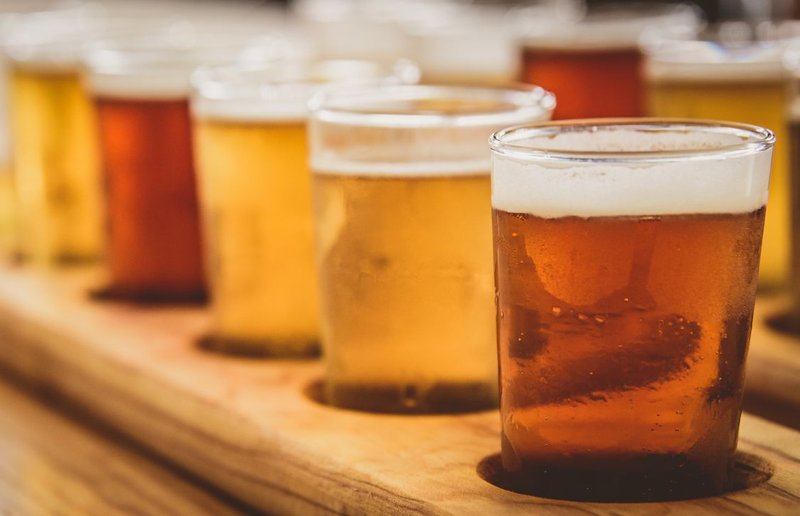
Savory depth helps you stand out, since a subtle umami layer can mimic the richness aged spirits carry. Our piece on umami in zero-proof cocktails shows how ingredients like mushroom, tomato, or seaweed add that roundness. Beyond savory notes, tea tannins or verjus acidity give drinks a drier, more grown-up finish.
- Mixability: You can test your spirit in tonic, citrus, and ginger beer to confirm it holds character once diluted.
- Neat sipping: You can evaluate the finish over a full minute, since sophisticated drinkers judge how long flavor lingers.
- Serving temperature: You can check the profile over ice and at room temperature, because chilling mutes aroma and sweetness.
Trends in this space move fast, from smoked botanicals to functional adaptogens paired with bitter aperitif notes. When you are ready to test the market, low minimum order quantity (MOQ) customizations let you pilot a small batch. Our design and branding support can then help your label signal premium craft instead of a watered-down substitute. Together, the liquid and the package tell sober-curious shoppers that your brand takes their choice seriously.
Reach Out to Craft Standout Non-Alcoholic Spirits Flavoring
Great zero-proof spirits rebuild warmth, body, aroma, and botanical character without leaning on sugar to fill the gaps. When each element earns its place, your drink stands up to neat sipping and busy cocktail menus alike. Ultimately, sober-curious customers reward brands that respect their palate with loyalty and repeat purchases.
Where some flavor houses need months for new samples, our chemists deliver zero-proof prototypes in just weeks. Tell our flavor development team which spirit style you want to capture, and we will shape the brief together. Reach out to Beck Flavors today to craft a zero-proof spirit profile your sober-curious customers will savor.