
Plant-based formulation runs into few challenges tougher than solving pea protein's natural taste issues. Pea protein offers strong nutritional benefits, yet its earthy, bitter notes turn many consumers away. Masking pea protein off-notes takes specific, proven techniques built around this exact formulation challenge.
Plant-based dairy and nutrition products continue to gain shelf space across nearly every retail category. Success in this space depends heavily on masking pea protein off-notes without sacrificing nutritional claims. A formulator's practical approach to that balance forms the backbone of this guide.
What Causes Pea Protein Off-Notes
Pea protein off-notes come primarily from saponins and other naturally occurring plant compounds. Consumers often describe the bitter, earthy, and sometimes chalky sensations these compounds create negatively. Masking pea protein off-notes requires targeting these specific compounds at the receptor level.
Formulation Strategies for Masking Pea Protein Off-Notes
Several formulation tools work together to solve pea protein's toughest sensory challenges. Each strategy targets a different part of the problem, from receptor activation to overall mouthfeel. Here's how these approaches combine into a complete masking solution:
- Bitter blocking technology: Receptor activation gets interrupted before the bitter sensation ever fully registers on the palate. Beck Flavors pairs bitter blockers with complementary flavors for a more complete off-note masking solution.
- Sweetener selection: Certain sweeteners interact poorly with pea protein, amplifying rather than reducing perceived bitterness. Our team tests multiple sweetener combinations to find the pairing that performs best.
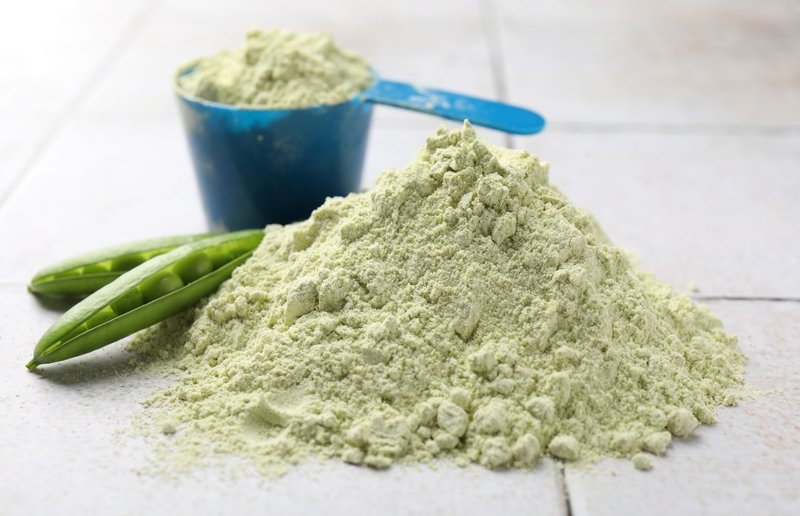
- Flavor layering: Chocolate, vanilla, and roasted notes tend to complement rather than clash with pea protein's earthy, vegetal quality. Beck Flavors builds layered flavor systems specifically designed around pea protein's unique profile.
- Texture solutions: A chalky or gritty texture can amplify how strongly a taster notices lingering bitterness. Pairing texture enhancers with masking flavors creates a much more complete sensory improvement overall.
Combining these strategies gives you a far stronger result than relying on any single approach alone. The right mix depends on your specific protein source, product format, and target flavor profile.
Applying These Techniques Across Dairy and Nutrition Products
Plant-based milk alternatives require masking pea protein off-notes without disrupting a clean, simple flavor. Consumers expect our plant-based dairy alternatives to taste close to real dairy. Beck Flavors tailors masking strategies specifically for the milk alternative category and its buyers.
Protein shakes and bars call for stronger masking strategies given their higher protein concentration. Higher protein levels intensify off-notes, requiring a more robust flavor and texture solution. Our team adjusts masking intensity based on your product's exact protein concentration and format.
Comparing Pea Protein to Other Plant Protein Sources
Pea protein carries a stronger, more distinct off-note profile than some other plant protein sources. Rice protein tends to be milder, though it lacks some of pea protein's nutritional advantages. Formulators often blend pea with rice or other proteins to balance nutrition against taste.
Soy protein presents different masking challenges, since its bitterness activates receptors somewhat differently than pea protein. Beck Flavors adjusts masking strategy based on which specific plant protein anchors your formulation, drawing on proven flavor-masking techniques. A tailored approach like this avoids a one-size-fits-all solution that rarely performs well across every product.
Understanding these differences helps formulators choose the right masking strategy from the very start of development.
How Beck Flavors Approaches Pea Protein Formulation Projects
Our process begins with detailed sensory analysis of your specific pea protein source and concentration. From there, our formulators recommend a masking strategy built around your product's format and audience. Sample rounds move quickly, often landing in your hands within just a few weeks.
Testing continues through commercial scale-up, since protein concentration can shift slightly during larger production runs. Beck Flavors validates masking performance at every stage to protect your product's final taste. A thorough approach like this helps plant-based products succeed with consumers who expect real enjoyment.

Ongoing support continues even after a product launches, since protein sourcing can shift between production batches. Brands sometimes switch suppliers or adjust protein concentration to manage cost or improve nutritional claims. Beck Flavors revisits the wellness drinks masking system whenever these changes arise, keeping flavor consistent for your customers.
Frequently Asked Questions About Pea Protein Masking
Brands new to pea protein formulation tend to ask a similar set of questions before starting a project. Nutrition, timeline, and cost sit at the top of that list most often. Here are the questions we hear most frequently:
- Does masking pea protein off-notes change the protein's nutritional value or function? In most cases, masking works purely on flavor perception without affecting nutrition or protein performance at all, and Beck Flavors confirms this outcome through analytical testing before finalizing any masking recommendation for you.
- How long does a masking project typically take? Off-note intensity varies by specific pea protein source used, though most masking projects move from initial testing to a workable sample within just a few weeks. Our Flavor Focus newsletter covers ongoing insight into these plant-based formulation trends.
- How much does masking pea protein off-notes typically cost? Masking complexity depends on protein concentration and product format, so a simple beverage application typically costs less than a complex, multi-layered dairy alternative system. Beck Flavors walks you through these cost factors early so your budget stays realistic from the start.
Getting clear answers to these questions early helps you plan your budget and set realistic expectations for your project. The right formulation partner walks you through these details before you commit to a project.
Solve Your Pea Protein Formulation Challenge
Masking pea protein off-notes takes technical expertise, but it opens the door to better products. You gain the ability to deliver strong nutrition without asking consumers to tolerate unpleasant taste. Beck Flavors combines flavor science with sensory testing to solve this specific challenge.
Our formulators specialize in plant-based dairy and nutrition applications across every product format. Their specialization spans everything from milk alternatives to protein shakes and nutrition bars. This depth of experience means fewer rounds of testing before you reach a formula that truly works.
Getting the taste right protects the success of your entire product launch, not just its flavor profile. A well-masked formula builds repeat purchases from consumers who might otherwise abandon a product after one try. If you want to solve your pea protein taste challenge for good, reach out to our team today.