
Snack fans now judge a product by how it feels in the mouth, not only by how it tastes. Among experiential food trends, sweet heat and slow-building burns stand out because they turn a single bite into a story. You can use these sensations to give your snack or candy a memorable arc from first crunch to finish.
Getting that arc right takes more than adding chili powder to a sweet base and hoping for balance. Heat, cooling, tingle, and sourness each trigger different receptors, so their timing and intensity must be designed together.
What Makes Sweet Heat One of the Top Experiential Food Trends?
Sweet heat pairs sugar with pungent compounds like capsaicin so the palate registers pleasure and warmth in quick succession. It earns its place among experiential food trends because contrast keeps each bite exciting and invites the next handful. Sugar also softens the perceived burn, letting you push heat further without overwhelming your audience.
The Science Behind Sweet Heat in Experiential Food Trends
Capsaicin binds to transient receptor potential vanilloid 1 (TRPV1) receptors, the nerve channels that detect painful heat. Sugar works on a separate pathway, activating sweet taste receptors that your brain links with energy and reward. When both fire together, you get a push and pull that keeps the palate engaged from bite to bite.
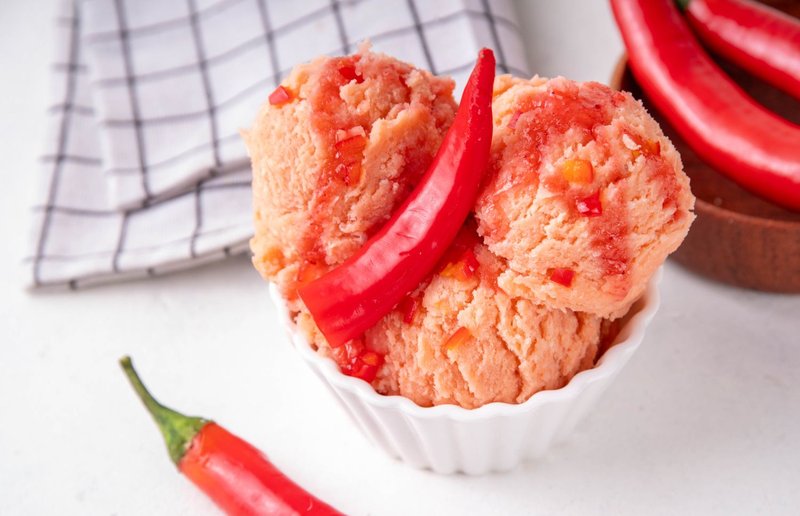
Heat sources also differ in speed, location, and duration, which gives you real control over the experience. Choosing the right pungent compound is the first design decision behind experiential food trends in snacks.
- Capsaicin: You get a slow, building burn that spreads across the tongue and lingers well after you swallow.
- Piperine: Black pepper's key compound delivers a sharper, quicker bite that fades faster than chili heat.
- Gingerols: Ginger's pungent compounds bring a warm, bright heat with citrus hints that suits fruit candies and chews.
- Allyl isothiocyanate: Wasabi and mustard heat rushes into the nose, then vanishes quickly, creating a dramatic flash.
You can blend two sources, pairing fast piperine with slower capsaicin to stretch the heat curve across the chew. Our look at spicy flavor trends shows how sweet, savory, and heat combinations keep evolving across food and beverage. From there, match the heat source to your base, whether it is a gummy, hard candy, or kettle chip.
Heat perception also varies widely from person to person, so your target audience should guide the final dose. A gentle warmth may suit a mainstream gummy, while a challenge-style chip can carry far more fire.
Designing Lingering Burns and Delayed Heat for Candy
A lingering burn keeps your product talking long after the last piece disappears from the bag. Timing matters as much as intensity, since heat that arrives too early can mask fruit notes and sweetness. Instead, you want flavor first, warmth second, and a gentle glow that invites one more bite.
Capsaicin is fat-soluble, so the fat level in your base changes how quickly the heat reaches the tongue. Encapsulation adds another lever, since coated heat particles can release later as the candy dissolves or the coating breaks. Slow-dissolving formats like hard candy and lollipops also stretch the burn across several minutes of eating.
Sensory panels help you map these curves with time-intensity scoring, so you see where heat peaks and fades. Our article on sensation flavors and experience explains why that memory of warmth shapes whether shoppers come back.
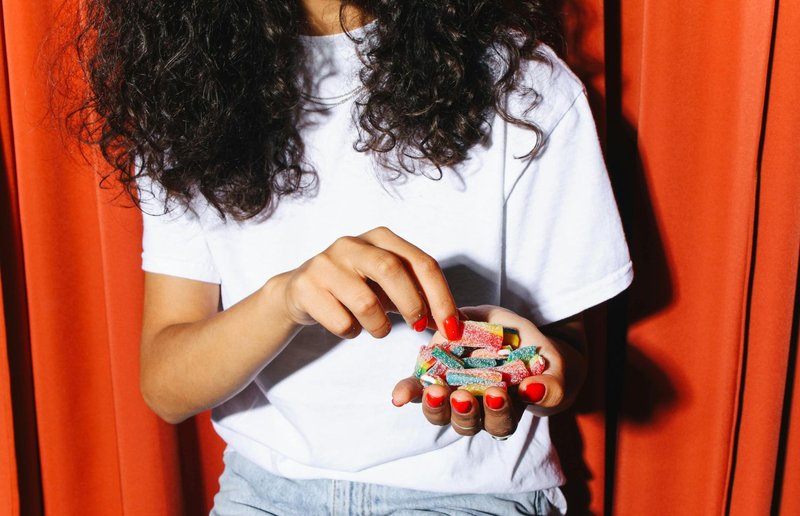
Candy makers chasing experiential food trends can overlook how strongly sugar level shifts perceived heat during development. A small cut in sweetness can make the same chili dose feel hotter, so test every revision. When you reformulate, rebalance heat and sugar together rather than adjusting one variable at a time.
Layering Sour, Cooling, and Tingle Sensations With Heat
Heat rarely works alone in the most memorable snacks, since layered sensations create a fuller journey across the palate. Sour acids, cooling agents, and tingling compounds each add a new chapter when you place them with intention. Designing around experiential food trends means planning the order, contrast, and recovery time between each sensation.
- Sour then heat: Malic and citric acids hit fast, so a sour coating primes the palate before chili arrives.
- Cool and burn: Menthol activates cold-sensing receptors, creating a hot and cold contrast that feels thrilling in mints and gum.
- Tingle accents: Sanshool from Sichuan pepper produces a buzzing, numbing sensation that pairs well with citrus and mild heat.
Sour candy offers a natural launchpad for these layers, as our piece on extreme sour confectionery explores in depth. Still, every added sensation competes for attention, so you need clear gaps that let each one register.
Recovery matters too, because a sip of water or a sweet center can reset the palate between bites. Plan those resets deliberately, and your multisensory snack will feel exciting instead of exhausting.
Our chemists build these stacks as custom flavor systems, then tune each layer through bench tastings and sensory feedback. Where other flavor houses can take months to deliver new samples, Beck Flavors works on a timeline of weeks. You can also catch new sensation ideas and formulation tips in our Flavor Focus newsletter.
Partner With Beck Flavors on Experiential Food Trends
Sweet heat and lingering burns reward brands that treat sensation as a design discipline rather than a gimmick. When you control heat source, release timing, and supporting layers, your snack earns a signature feel. Our team also supports you with trend forecasting, low minimum order quantity (MOQ) customizations, and design and branding help.
You bring the concept, and we bring the flavor chemistry, sensory testing, and manufacturing expertise to scale it. When you are ready to talk heat curves, connect with our chemists for a hands-on development session. Reach out to our team today and start building a sensation profile your snack fans will remember.